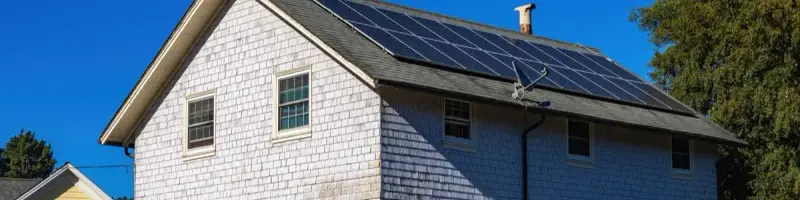
St. Cloud Roof Pros: Roof Replacement, Repair and Flashing
Residential and commercial roofing across central Minnesota. Free written scope, and every masonry termination priced on its own line.
- ✓Licensed and bonded with Minnesota DLI, license number printed on the contract
- ✓Masonry terminations measured and priced on their own line, not buried in squares
- ✓Photographs of every roof-to-stone joint we open, before and after
- ✓We tell you when the field is fine and only the flashing needs money
Why St. Cloud Chooses St. Cloud Roof Pros
- ✓The tape measure goes to the walls before it goes to the ridge. Linear feet of roof-to-masonry moves a St. Cloud bid further than the shingle line ever does.
- ✓Sawn granite will not take a raked reglet, so counterflashing here is surface-mounted and serviceable. We build it that way on purpose and hand you the service interval in writing.
- ✓Money goes into starter, step flashing, valley metal and hip and ridge first, and into the field laminate second. A premium shingle over tired metal is a good-looking roof with the old leak still under it.
- ✓Coating asphalt shingles is not something we do, and whole-roof sealing is not something we sell. The only sealant worth buying on most of these houses is the few dozen feet where metal meets stone.
- ✓Minnesota DLI is explicit that gutters, downspouts, soffit and fascia sit outside a roofing-only license. We hold the broader one and we will tell you which credential covers which part of your job.
- ✓Under Minn. Stat. 325E.66 a contractor may not read your policy to you, adjust your claim or touch your deductible. We hand you an itemized good-faith estimate and stay in our lane.
How It Works
Measure the walls, then the roof
Somebody walks the perimeter with a tape and counts every foot where the covering ends against masonry or siding: chimneys, gable returns, porch roofs dying into a wall, skylight curbs, parapets. That number, plus the deck condition, is what the price is built from. Squares are the easy part and we do them last.
A scope you can read and compare
You get a written scope with the covering, the underlayment, the ice barrier run, the metal at each termination and the ventilation plan listed as separate lines with separate prices. If you want to strike one, you can see exactly what comes off the total. No allowances, no lump sums labeled miscellaneous.
Tear off, sound the deck, then build the edges
Old covering and old metal both come off, including flashing that looks reusable. We sound the sheathing plank by plank and show you anything soft before it gets covered. Edges, valleys and wall terminations are built first and photographed, because those are the parts nobody can inspect once the field goes on.
Close out with the photographs and the intervals
At the end you get the permit sign-off, the manufacturer registration, the workmanship warranty and a photo set organized by termination rather than by slope. With it comes a plain list of what needs looking at and roughly when, so the sealant at the stone does not quietly reach the end of its life unnoticed.
What St. Cloud Roof Pros Handles in St. Cloud, MN
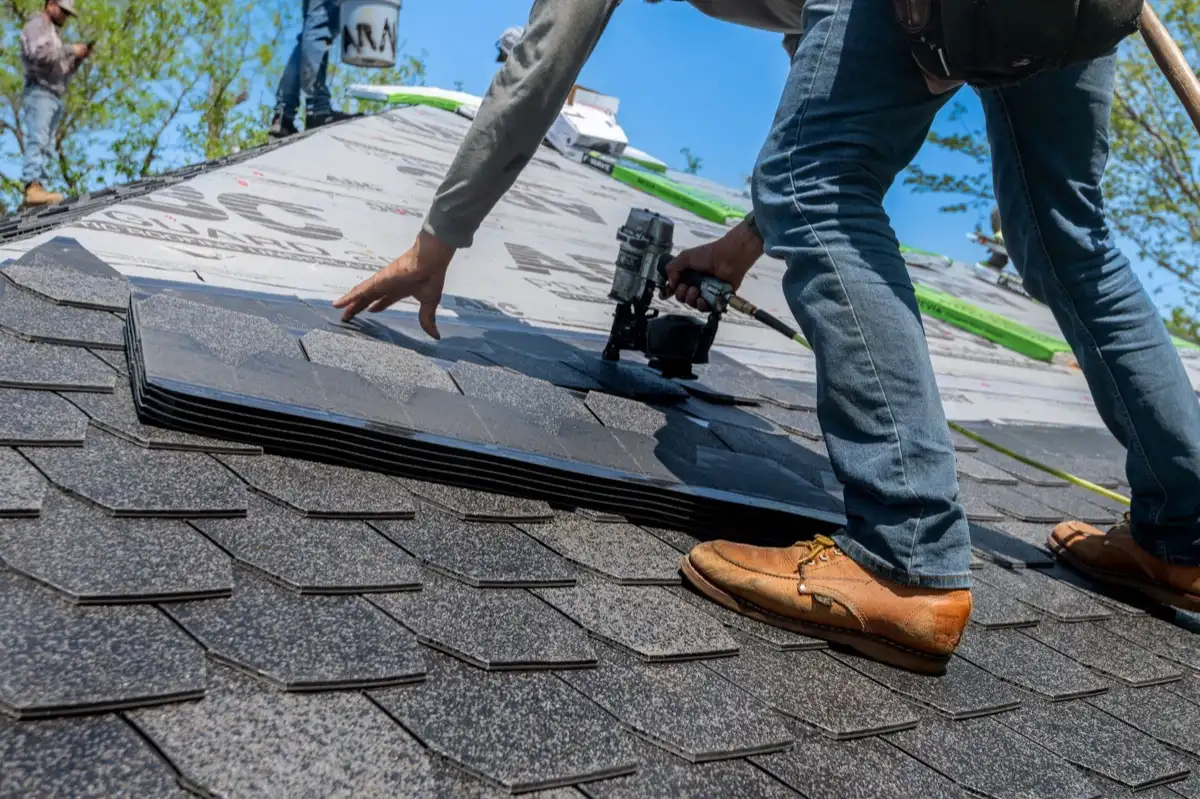
Roof Replacement
A tear-off here gets priced by the linear foot before it gets priced by the square. We measure how much of your roof dies into granite, brick or siding first, because that number moves a St.
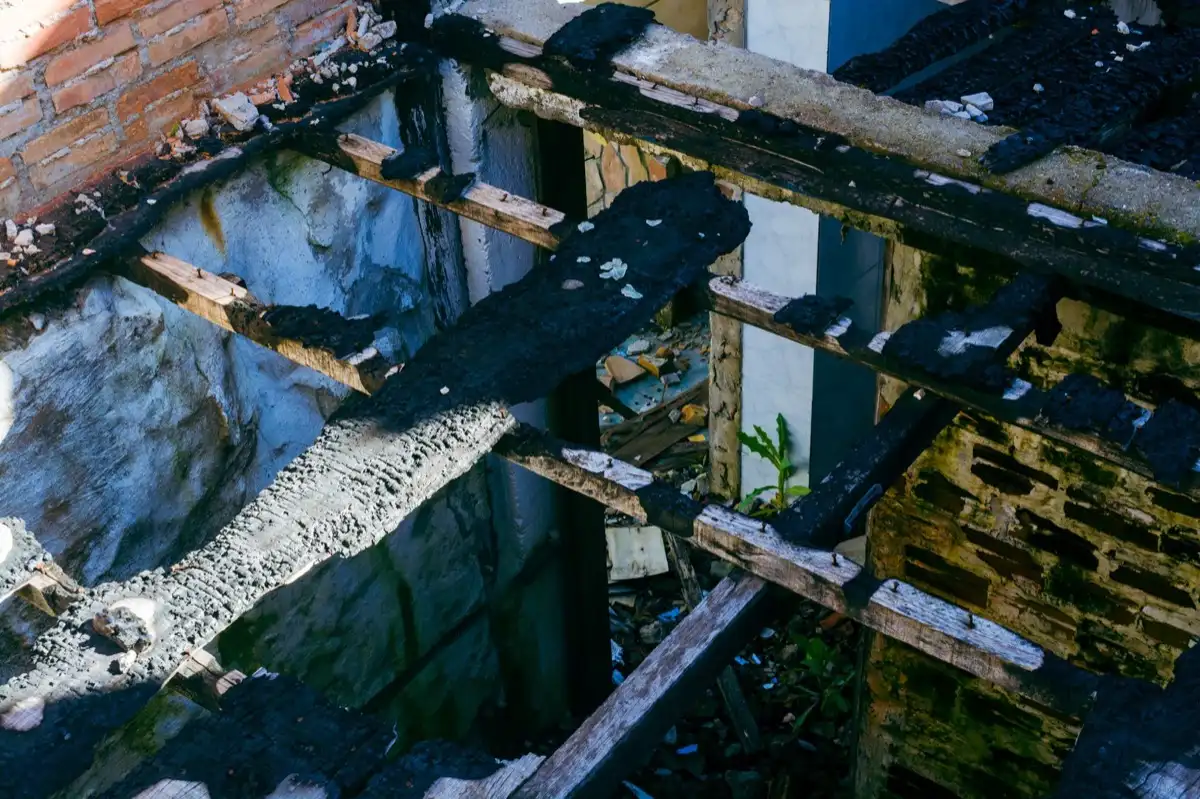
Roof Leak Repair
A ceiling stain in a stone-faced house is an unreliable witness. Water shedding off granite does not soak in and spread out.
Storm Damage Restoration
After a line of storms comes through central Minnesota the order matters more than the speed. Stop water first, document second, repair third.
Hail Damage Roofing
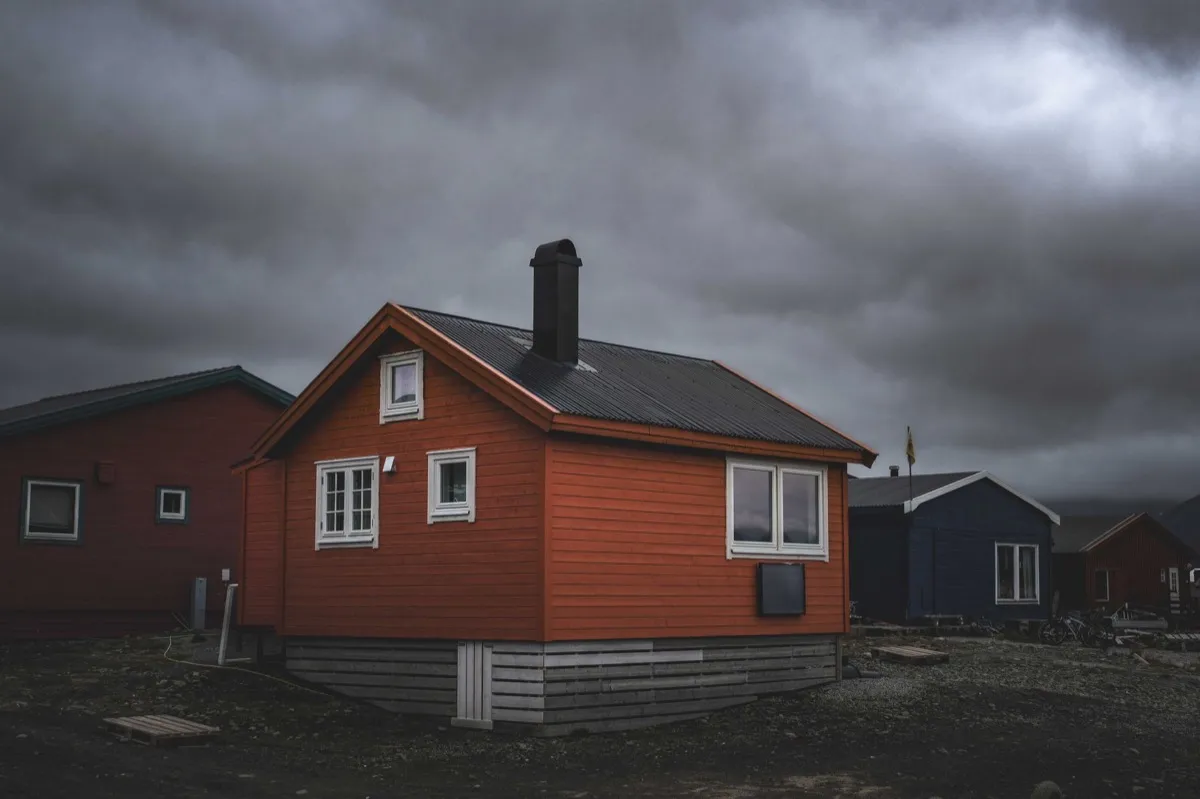
Hail does nothing to a granite wall and quite a lot to the soft metal sitting against it. Know that before you file.
Wind Damage Roofing
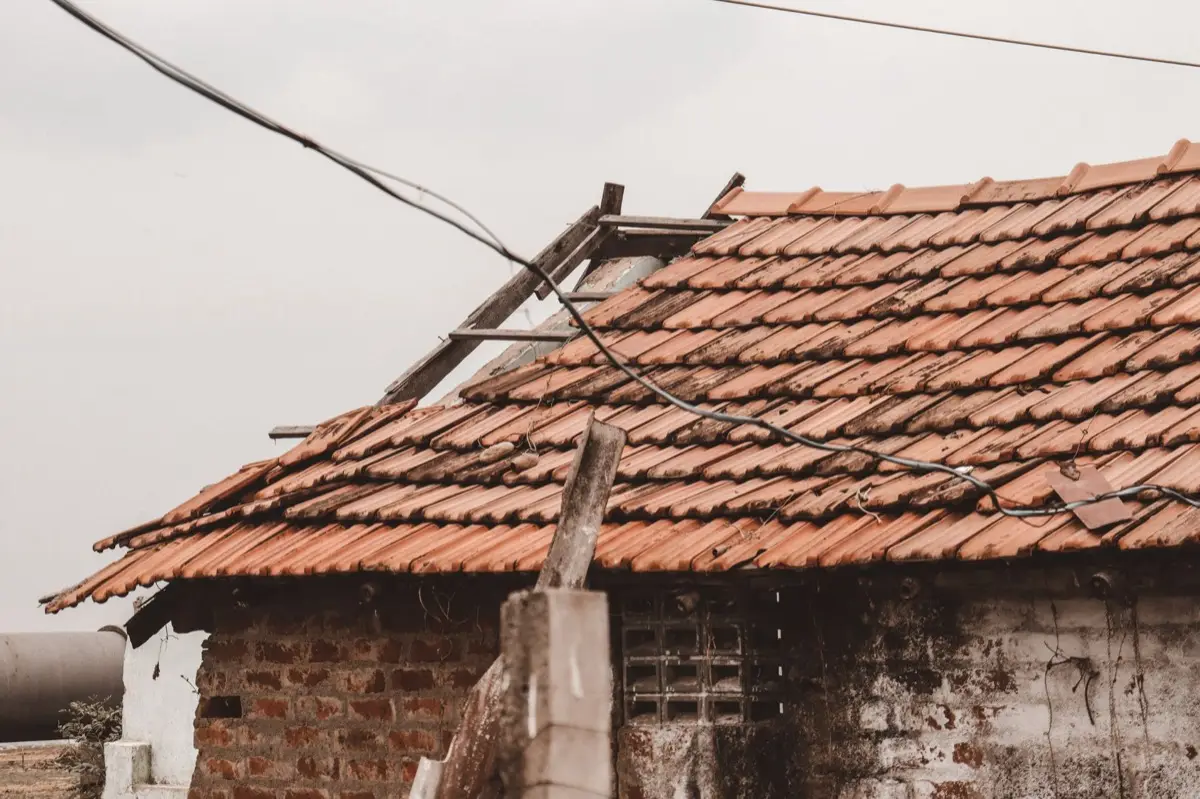
Wind on these houses does not start at the rake as often as the textbook says. A chimney standing three feet above the roof plane is a blunt obstruction, and air separating over it drops back onto the deck downwind in a mess of suction.
Roof Inspections
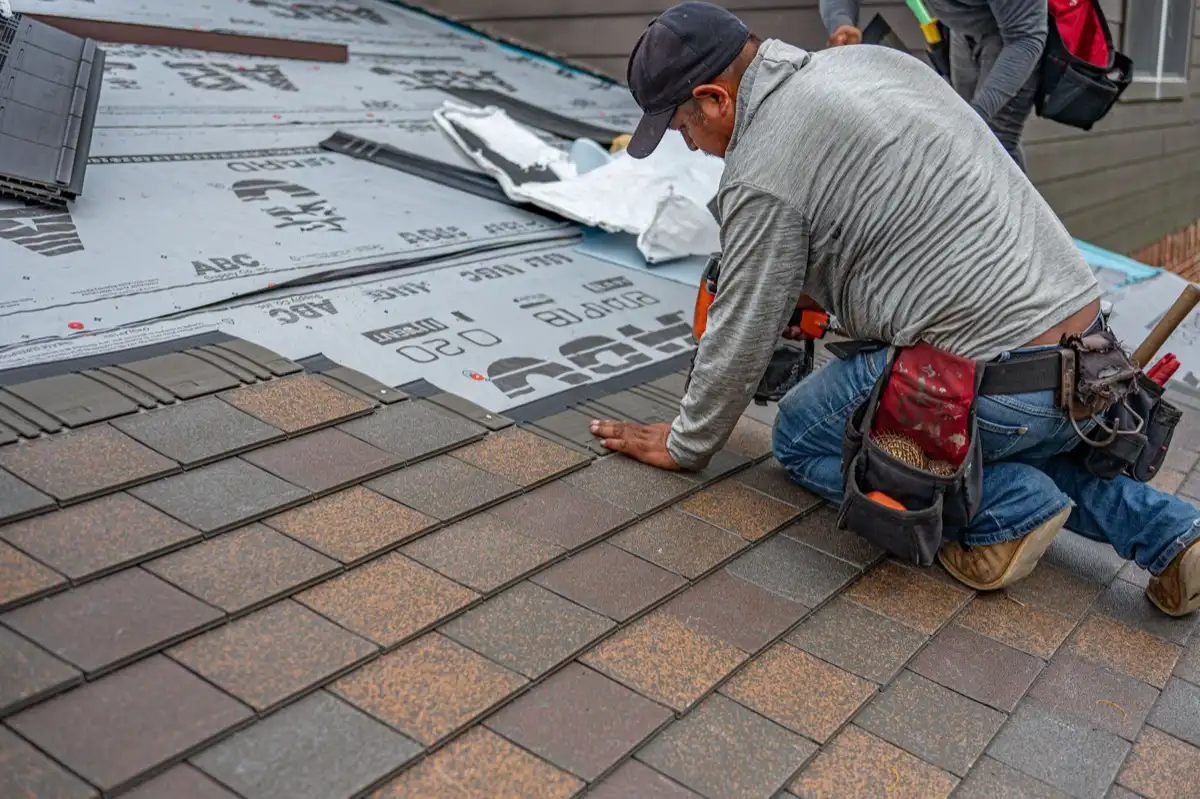
Our report is organized by termination rather than by slope, which sounds like a filing detail and is the whole point. Anybody can tell you the south plane has granule loss.
Asphalt Shingle Roofs
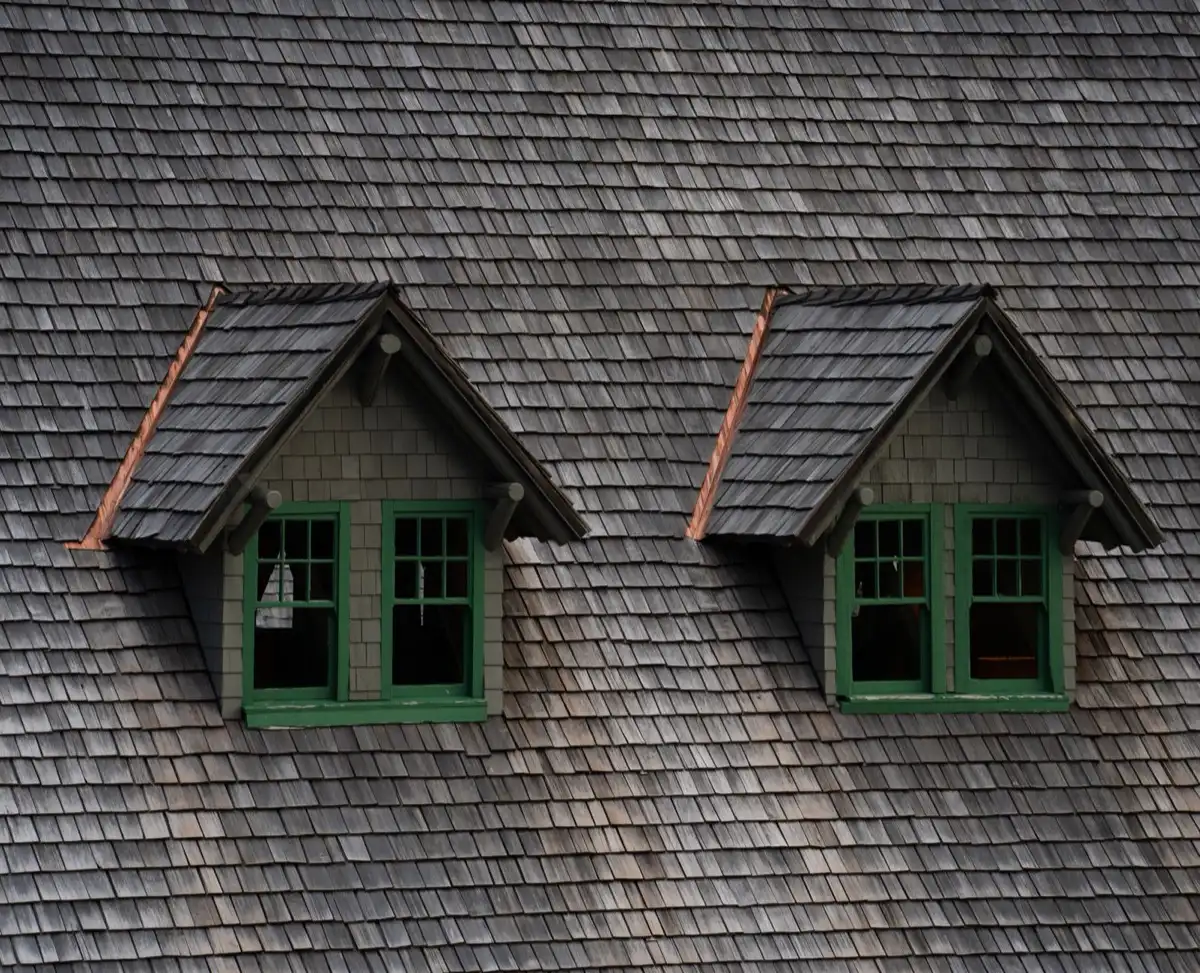
Asphalt covers almost everything residential in this city and will keep doing so, because it bends around a complicated roof at a price nothing else matches. The complication is the point.
Metal Roofing
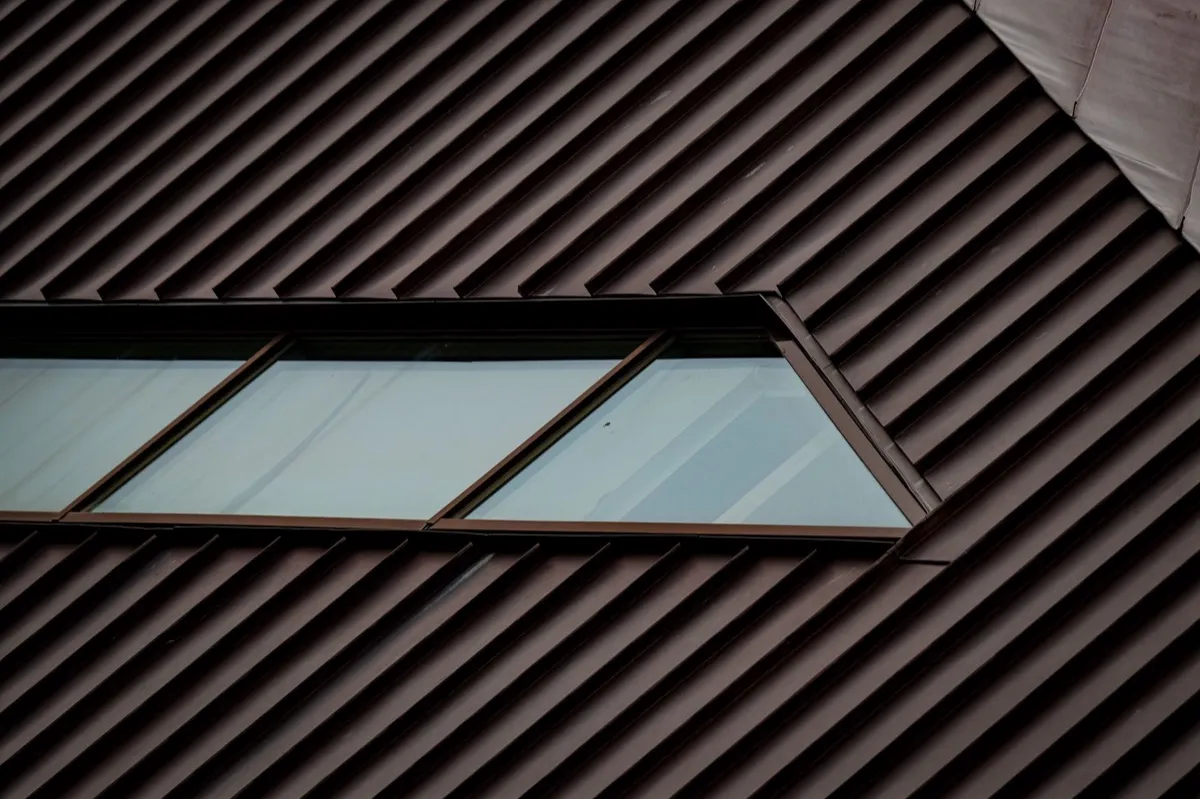
Metal is a good buy on the right plane here and a poor one on the wrong plane, and the deciding factor is how many times a panel has to end against something. Long clean slopes are what standing seam was invented for.
Tile Roofing
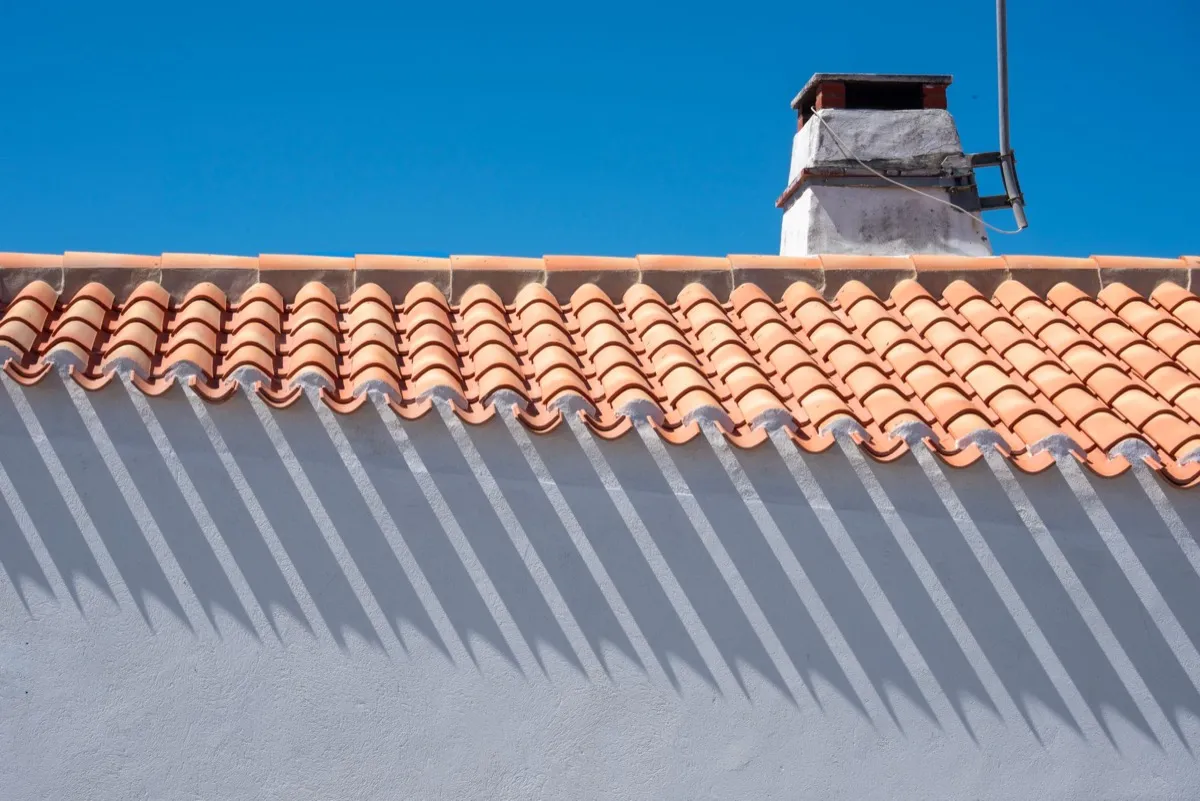
We service tile in this market. We rarely recommend installing it, and a page that pretended otherwise would be selling you something.
Flat & Low-Slope Roofing
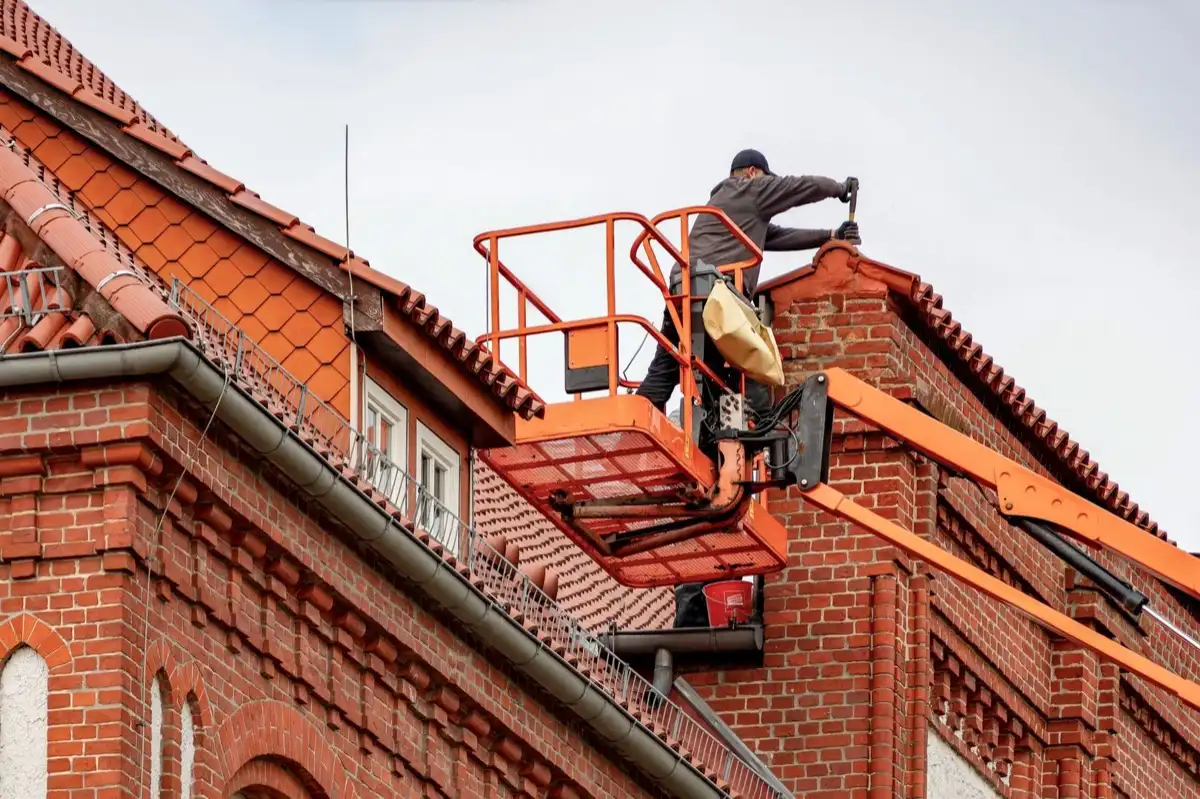
Low-slope work on houses here is almost always the same three things: a rear addition, a porch roof, or a dormer deck, and in each case the membrane runs uphill into a wall. That wall decides how long the roof lasts.

Roof Coatings & Sealing
This is a short page because we sell very little of what it is named after. We will not coat asphalt shingles, and whole-roof sealing packages are not something we offer homeowners.
Roof Ventilation
Most ventilation advice assumes a clean unbroken ridge. A great many houses here do not have one.
Skylights
A skylight is a deliberate hole in the roof, and in this climate the reason for cutting one had better be a good one. We ask two questions first: where it goes, and whether you want a skylight.
Fascia & Soffit
Fascia and soffit sit in the same legal box as gutters. Under Minnesota's licensing rules they are exterior finishing, not roofing, and a firm holding only a residential roofer license cannot take that part of the job.
Chimney Flashing
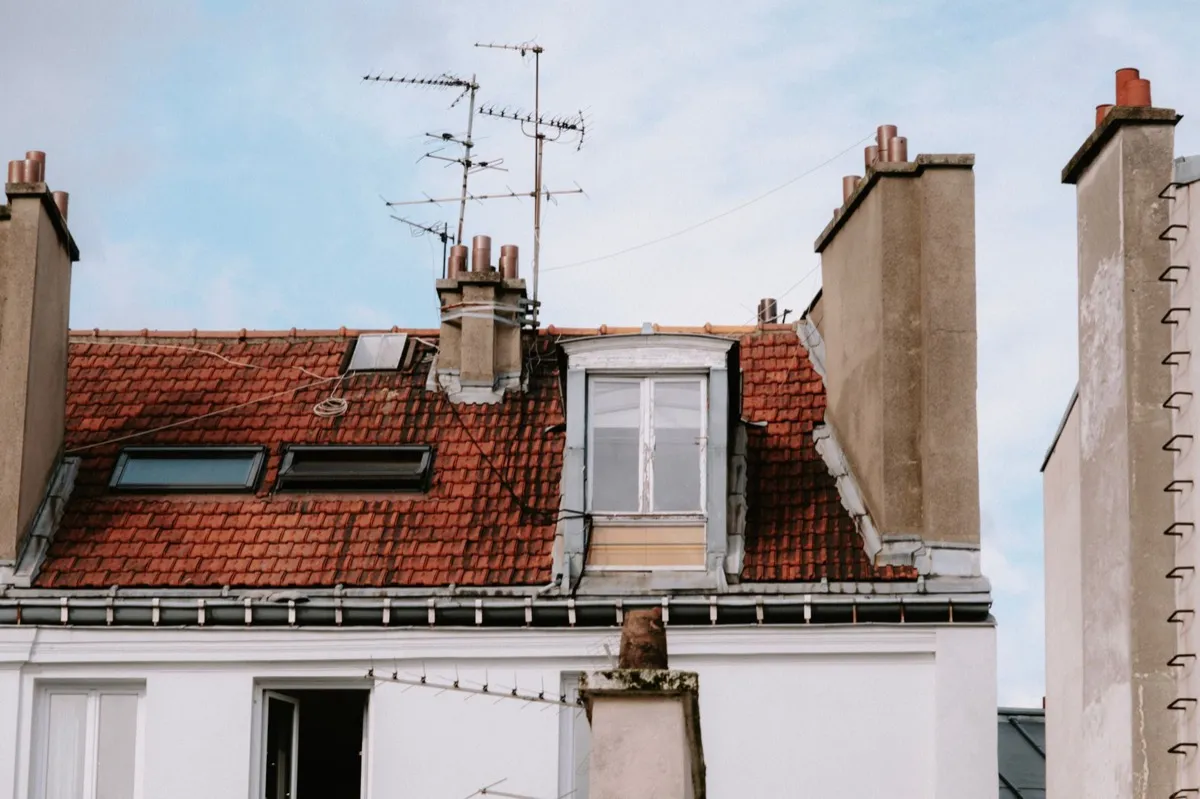
This is the page that explains the rest of the site. On brick, a roofer rakes out a mortar joint, tucks counterflashing into the slot, repoints and walks away with a detail lasting as long as the roof.

Commercial Roofing
Commercial work here divides cleanly. There is newer stock out along the corridors, straightforward decks with room to work.
Insurance Claim Help
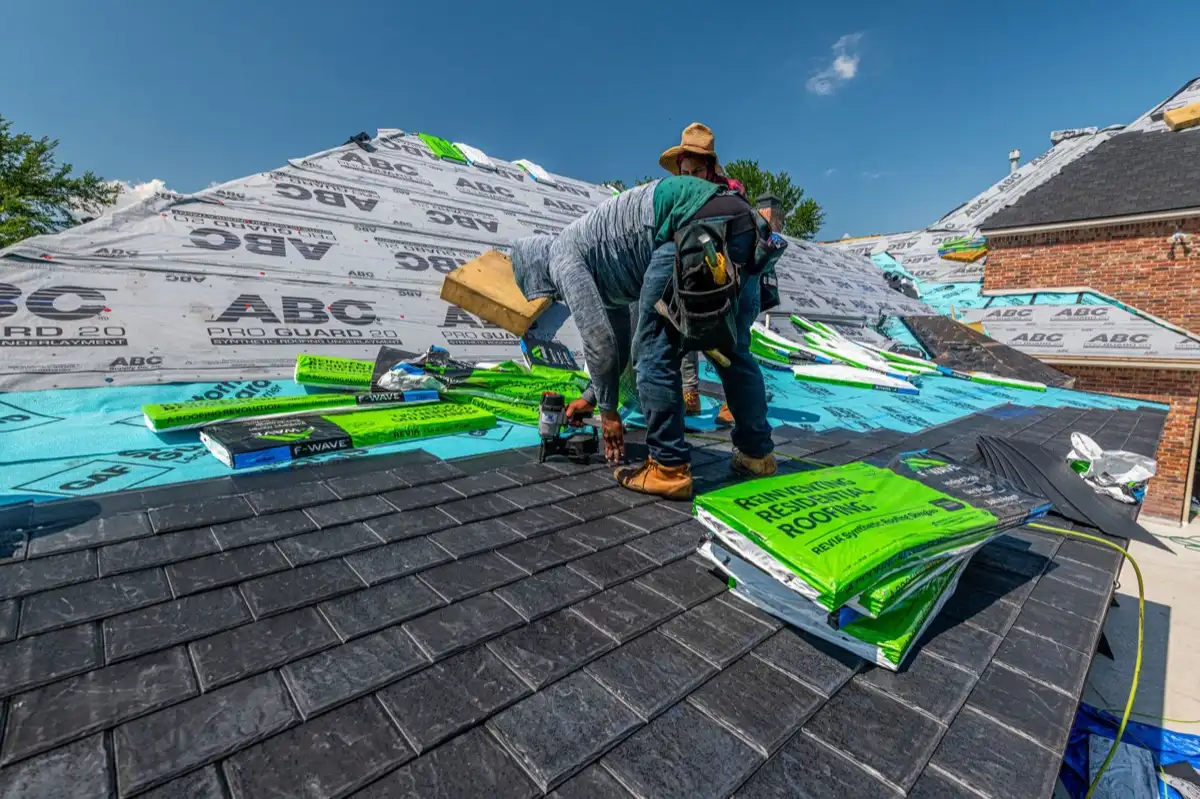
There is a line in Minnesota law deciding what a roofer may do on your claim, and knowing it protects you. Under Minn.
What St. Cloud Customers Say
Two other bids gave us a shingle brand and a number. These folks measured the chimney and the porch wall first, showed us the photos of the tar somebody had smeared in there, and quoted the metal separately. Made the choice obvious.
Said the field had the best part of a decade left in it and that we only needed the chimney redone. Cost about a fifth of what we had budgeted. I kept waiting for the upsell and it never came.
Ridge vent on our place was chopped into three short pieces by the chimney, which they said was doing almost nothing. Put in two off-ridge vents clear of the stone instead. Upstairs is noticeably cooler in August.
Storm took half the ridge cap off. They tarped it the same evening, weighted at the stone because there is nothing to screw into there, and were straight with us that it was a two-week fix, not a repair.
St. Cloud Roof Pros covers roof replacement, leak repair, ventilation, storm work and flashing detail on houses and commercial buildings throughout Stearns, Benton and Sherburne counties. We install architectural laminates, standing seam metal and low-slope membrane, and we rebuild the metal wherever a roof ends against a wall or a chimney.
That last item is where our estimates look different from the others you will collect. This city was built on granite and granite is still on the buildings: chimneys, gable returns, porch piers, foundation walls standing proud of grade, whole civic facades downtown. Dimension granite is bought to ASTM C615, a specification that caps water absorption at four tenths of one percent by weight.
A brick wall drinks and gives water back slowly. A stone wall gives all of it back at once, straight down the face, into whatever detail sits at the bottom. So the shingle you pick matters less here than the twenty or sixty feet of metal ending against stone, and we price that separately and give you a date for when it will want attention again.
About St. Cloud Roof Pros in St. Cloud, MN
We work the tri-county area out of St. Cloud, and most of what we see is a roof in decent shape sitting above flashing nobody has touched since the Carter administration. Quarry-era cottages, mid-century ramblers with granite veneer skirts, downtown buildings with stone parapets. Different eras, same failure point.
So the estimate starts with a tape measure at the wall, not on the ridge. We count feet of roof-to-masonry, grade the sealant we find, and tell you what a surface-mounted counterflashing assembly actually costs to build and what it costs to service later. Nobody enjoys hearing that a joint has a maintenance interval. It has one anyway.
Hire somebody else when the job is the stone itself. Repointing a granite chimney, resetting a shifted cap, rebuilding a rubble foundation wall above grade: that is masonry work, it sits in a different special skill under state law, and a mason who does it every day will do it better and cheaper than we would. We will happily flash whatever they leave us.
Recent Projects Across central Minnesota
Full gallery →
Towns We Cover
St. Cloud Roof Pros serves St. Cloud, MN and surrounding communities including:

Low-slope roofs behind granite parapets, downtown and out on the corridors
Commercial work here is mostly a membrane deck sitting behind a masonry parapet, and on the older downtown stock that parapet is quarried stone with a stone or metal coping on top. Water that lands on the wall does not soak in; it arrives at the base flashing. We build the wall side of that assembly properly, then use the insulation layout to move standing water away from the parapet instead of pushing it through one.
- ✓Base flashing carried a full eight inches up the wall, minimum, and terminated in metal
- ✓Tapered polyisocyanurate laid out to drain away from stone walls, not toward them
- ✓Coping joints covered rather than caulked, with a continuous cleat under the metal
- ✓Through-wall scuppers avoided on stone parapets wherever an interior drain can do the work
- ✓Roof hatches, curbs and mechanical stands reflashed while the deck is open
- ✓Night-seal and phased tear-off so a tenant never loses a business day to weather
- ✓Core cuts before the bid, so nobody discovers three roofs during demolition
- ✓Warranty paperwork filed with the manufacturer and a copy left with the property manager
Frequently Asked Questions
Does a roofer in St. Cloud have to be licensed by the state?
Yes. Minnesota licenses residential contractors through the Department of Labor and Industry, and roofing work requires a license: residential roofer, residential building contractor or residential remodeler. A firm under fifteen thousand dollars of yearly residential revenue can instead carry a certificate of exemption, and subcontractors register rather than license. Ask for the number and look it up before you sign anything.
Why does the flashing cost so much on a granite chimney?
Because the usual shortcut is unavailable. On brick you rake out a mortar joint, tuck the counterflashing in and repoint. Sawn granite has a thin, hard joint and a face at roughly seven on the Mohs scale, so nothing gets raked. The metal is surface-mounted instead, held with a stainless bar and a structural sealant, which takes longer to build and has to be serviced later.
How often does that sealant joint actually need attention?
Plan on looking at it every three or four years and expect to redo it somewhere in the eight-to-twelve range, depending on exposure and which way the wall faces. A south or west elevation cooks. We write the date we installed it on the closeout sheet so the clock starts from a real number rather than from a guess someone makes later.
Do I need a permit to reroof a house here?
Yes, a reroof is permitted work in St. Cloud and in the surrounding cities, and the inspection is worth having. The Minnesota Residential Code requires a self-adhering ice barrier at the eaves running back past the heated wall below, and it requires the deck to be sound. An inspector who signs that off is a second set of eyes you already paid for.
My neighbor got a new roof from hail. Should I file too?
Look at your metal before you look at your shingles. Granite does not bruise, but the soft metal sitting against it does, and we regularly find a field with plenty of life above aprons and termination bars that are dented and split open. Sometimes that is a flashing repair, not a claim. We will photograph it and let you decide.
Can you just seal my roof instead of replacing it?
Not on asphalt shingles, no. Coatings over shingles trap moisture in the mat, void the covering warranty and make the eventual tear-off more expensive. If somebody offers you that in central Minnesota, get a second opinion. Sealing work we do believe in is narrow: the joint where metal meets masonry, done properly, on an interval.